The Global Standard for Commercial Window Film
Data-driven lead generation for facility managers and asset owners. Optimize energy ROI, achieve carbon reduction targets, and secure your glass envelope.
Calculate Your Building's Energy ROI
Determine the impact of high-performance architectural film on your facility's operational budget. Get a detailed projection of HVAC savings and carbon reduction.
Enterprise Solutions by Sector
Unlike single-brand installers, TintCommercial provides specialized technical frameworks tailored to your industry's unique regulatory and security demands.
Global City Network
Browse verified architectural tinting specialists by region
Morisset – Cooranbong
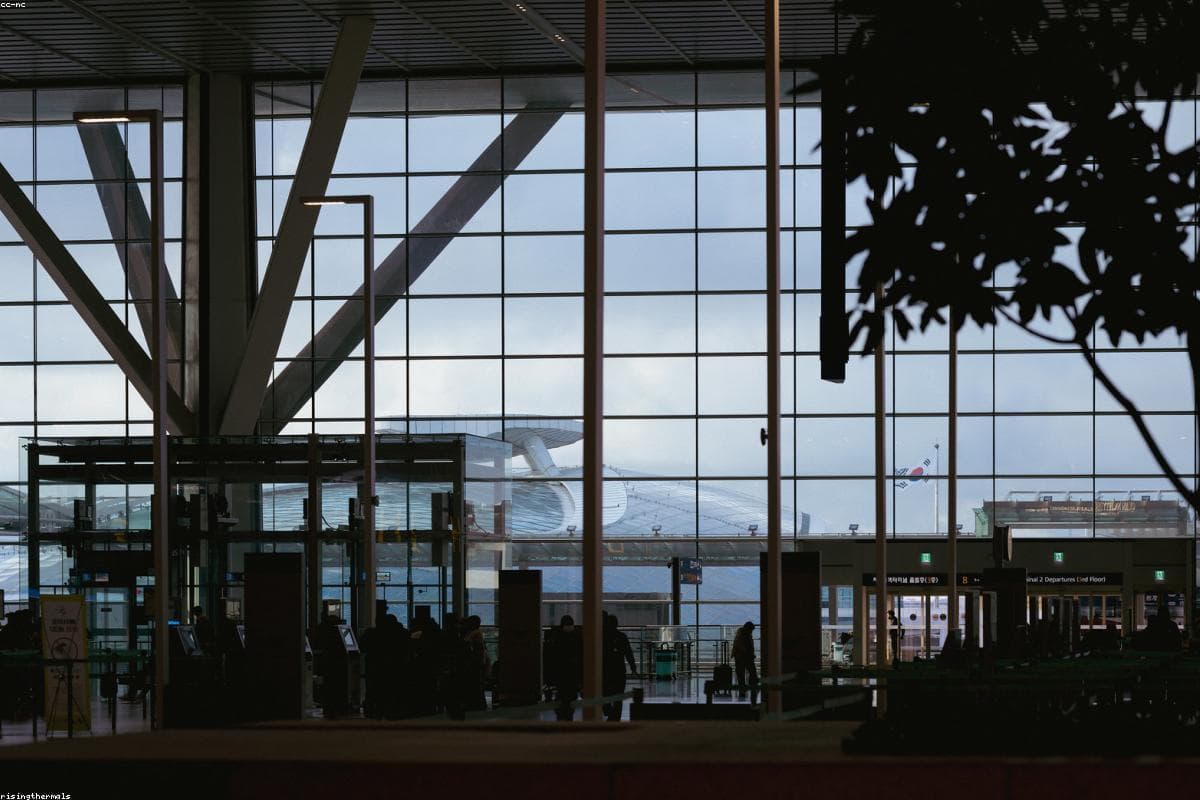
Sydney

Auckland

Christchurch

Quezon City
Cabadbaran
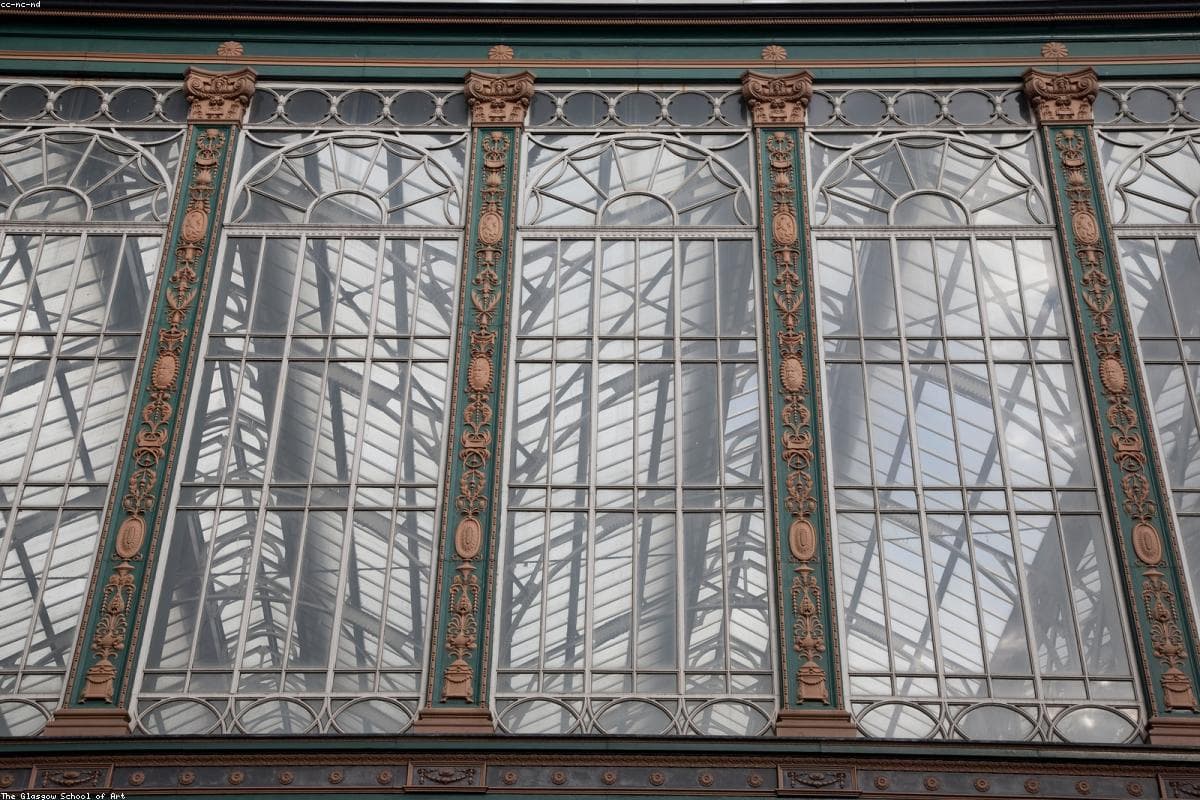
Singapore

Cape Town
Paarl
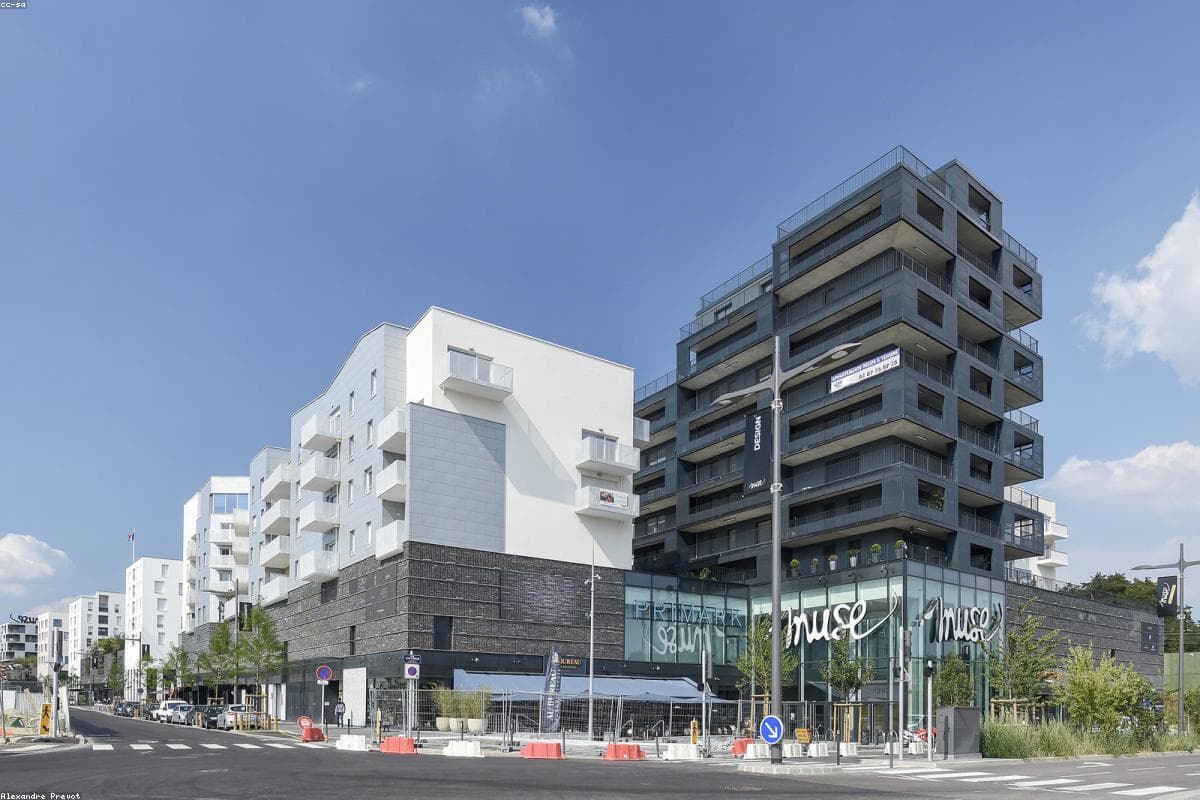
Petaling Jaya
Ampang Jaya

Technical & Strategy Resources
Industry-leading insights for facility managers and asset owners
Energy Efficiency ROI
Detailed whitepapers on how ceramic window film reduces peak load demand and extends HVAC lifecycle in commercial buildings.
Read WhitepaperESG & Compliance
A guide for asset managers on using window film to improve NABERS (AU) and LEED (USA) energy efficiency ratings.
Compliance GuideSafety & Security
Anti-shatter and blast-mitigation film standards for high-occupancy commercial and government buildings.
Security StandardsIndustry Intelligence & FAQ
Technical and financial answers for the commercial building envelope
What is the typical ROI for commercial window film retrofits?
For most commercial office buildings, architectural window film provides a full return on investment in under 3 years. This is driven by an immediate reduction in peak HVAC load of up to 35% and extended equipment lifecycle through reduced run-times.
Read Detailed AnalysisHow does window film impact LEED and NABERS ratings?
Window film is a primary strategy for improving building efficiency ratings. It contributes directly to LEED credits in 'Optimize Energy Performance' and 'Thermal Comfort' categories. In Australia, it is a key tool for improving NABERS Energy star ratings without the cost of total window replacement.
Read Detailed AnalysisWhat are the safety standards for blast mitigation film?
Professional security installations must meet rigorous international standards, including ISO 16933 and ASTM F1642 for blast resistance. For standard safety compliance, films are rated against AS2208 (Australia) or EN 12600 (Europe) to ensure glass remains captured in the frame upon impact.
Read Detailed AnalysisWhy can't we use retail-grade film for commercial projects?
Retail films (often found at hardware stores) are typically dyed and lack the spectral selectivity of commercial-grade films. Professional architectural films use nano-ceramic or sputtered metal technology to reject heat while maintaining high visible light (VLT) and offer 10-15 year commercial warranties.
Read Detailed AnalysisHow does window film impact 5G and building Wi-Fi?
Older metallic films can interfere with radio frequencies. However, our partners primarily specify nano-ceramic and dielectric films which are 'signal friendly,' ensuring zero degradation of 5G, LTE, or internal Wi-Fi networks.
Read Detailed AnalysisWhat is the expected lifecycle of commercial-grade architectural film?
High-performance architectural films are engineered for longevity, typically offering a 10 to 15-year commercial warranty. When professionally installed on vertical glass, many systems maintain 95% of their original performance metrics for over 20 years.
Read Detailed AnalysisCan window film be installed on double-glazed (IGU) units?
Yes, but it requires a professional thermal stress analysis. Certified installers use specialized 'IGU-safe' films designed to prevent heat absorption within the sealed unit, protecting against glass breakage or seal failure.
Read Detailed AnalysisIs commercial window tinting a tax-deductible business expense?
Yes, in most jurisdictions, commercial window film is categorized as a building improvement. Under specific tax codes (like Section 179 in the US or similar capital allowance schemes in AU/NZ), businesses can often deduct the full cost in the year of installation or apply accelerated depreciation.
Read Detailed AnalysisHow many LEED points can window film contribute to a building?
Architectural window film can contribute up to 9 LEED points across categories including 'Optimize Energy Performance,' 'Thermal Comfort,' and 'Daylight.' It is one of the most cost-effective ways to earn points without structural glazing changes.
Read Detailed AnalysisWhat is the average cost per square foot for commercial-grade film?
While prices vary by project scale, high-performance commercial ceramic or dual-reflective films typically range from $7 to $15 per square foot installed. Large-scale high-rise retrofits often benefit from significant B2B volume discounting.
Read Detailed Analysis