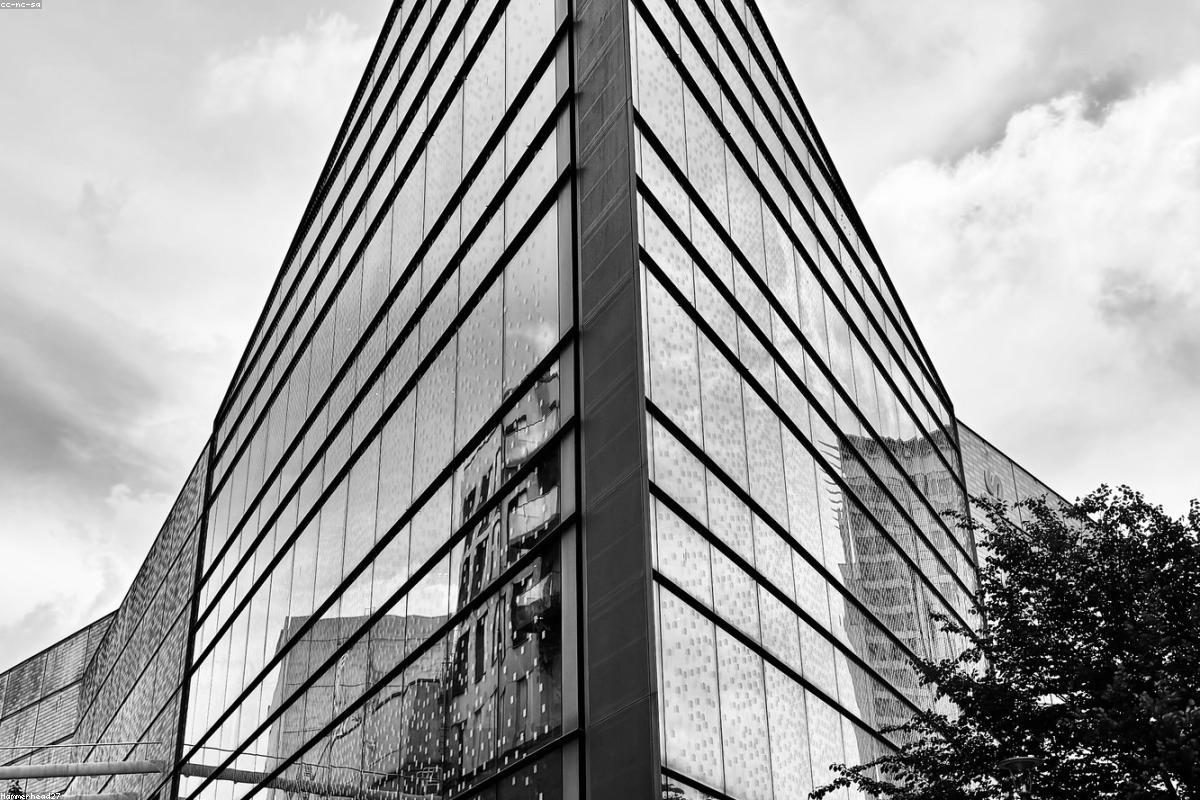
Editorial / technical guide
This page is educational content, not a documented customer project.
Improving Building Curb Appeal with Architectural Film
Technical Abstract
Window film can modernize an older building's facade by creating a uniform, sleek, and energy-efficient exterior, directly addressing the dated "mismatched blinds" look in multi-tenant buildings. It p.
- Window film modernizes older buildings by creating a uniform, sleek exterior, addressing mismatched interior treatments and enhancing curb appeal.
- It offers key benefits including solar control for energy efficiency, UV protection to reduce glare and prevent fading, and a cost-effective alternative to window replacement.
- Selecting the right film type (e.g., neutral, subtle gray, reflective) is crucial for achieving a cohesive aesthetic and meeting performance goals like heat rejection.
- Successful implementation involves professional assessment, compliance with local codes, establishing building-wide standards, tenant communication, and phased installation for large projects.
Key Technical Chapters
Window film can modernize an older building's facade by creating a uniform, sleek, and energy-efficient exterior, directly addressing the dated "mismatched blinds" look in multi-tenant buildings. It provides a cost-effective architectural refresh that enhances curb appeal, improves occupant comfort, and delivers measurable ROI through reduced energy costs.
Looking for commercial window tint installers?
Solving the Multi-Tenant Aesthetic Challenge
Older commercial buildings, especially those with multiple tenants, often suffer from a disjointed appearance due to inconsistent interior treatments. The "mismatched blinds" effect—where each tenant uses different shades, blinds, or curtains—creates visual chaos and dates the property. A professionally installed, uniform window tint transforms this into a cohesive, managed exterior. This not only elevates the building's professional image but also simplifies property management by providing a standardized solution that tenants cannot alter, directly increasing perceived value and marketability.
Modernizing the Facade with Film: Key Benefits
Beyond uniformity, window film offers a suite of modernization benefits that address core facility management concerns.
Architectural Refresh & Curb Appeal
Film can mimic the look of modern, high-performance glazing at a fraction of the cost of window replacement. It creates a consistent, reflective, or neutral facade that signals a well-maintained, contemporary property.
Solar Control & Energy Efficiency
Modern films reject significant solar heat, reducing strain on HVAC systems. For an older building with likely inefficient original glazing, this can lead to substantial energy savings, a key data point for sustainability reporting and operating cost reduction.
UV Protection & Glare Reduction
Films block over the product-specific UV performance, protecting interior furnishings from fading and reducing glare on screens. This improves tenant comfort and satisfaction, a direct contributor to lease retention.
Selecting Tint Colors and Finishes for a Cohesive Look
The choice of film significantly impacts the final aesthetic. The goal is to select a product that complements the building's architecture while achieving performance goals.
| Film Type / Color | Visual Effect & Best For | Key Performance Traits |
|---|---|---|
| Neutral / Clear Ceramic | Virtually invisible. Maintains the building's original color and view. Ideal for historic preservation or buildings where altering appearance is restricted. | Excellent heat rejection without added reflectivity or color. High performance with maximum visibility. |
| Subtle Gray or Bronze | Provides a neutral, smoked-glass appearance. Offers a classic, low-profile modernization that works with most architectural styles. | Good solar control, reduces glare, and provides a consistent color tone across the facade. |
| Silver / Reflective | Creates a mirrored, high-tech look. Effectively modernizes dated facades and provides maximum uniformity by obscuring interior variations. | Highest solar reflectance, significantly reducing cooling loads. Consider light pollution and neighbor reflection. |
| Dual Reflective | Appears reflective from the outside during the day but much clearer from the inside. A balanced choice for a modern look without a dark interior. | Strong solar performance while maintaining better inward visibility and natural light than standard reflective films. |
| Matte / Satin Finish | Provides a soft, diffuse look that eliminates harsh reflections. Can give a sleek, contemporary aesthetic. | Redces glare and hotspots while maintaining outward visibility. Often used in combination with light tints. |
Implementation Strategy for Facility Managers
A successful project requires careful planning.
- Conduct a Professional Assessment: Partner with a certified window film installer to analyze sun exposure, existing glass, and architectural style.
- Review Governing Codes: Check local ordinances or historic district guidelines that may restrict reflectivity or color.
- Create a Building-Wide Standard: Select one film type for all street-facing windows to ensure uniformity. Consider different performance grades for different solar exposures if needed, but keep the aesthetic consistent.
- Communicate with Tenants: Frame the installation as a building improvement that enhances comfort, protects their assets, and improves the property's value.
- Plan for Phased Installation: For large buildings, a phased approach can manage budget and minimize disruption.
Find Commercial Window Tinting Near You
Browse installers by city — get matched with commercial window film specialists in your area.
Technical FAQ
Can window film really make an old building look new?
Yes. Window film creates a uniform, contemporary exterior by eliminating the visual clutter of mismatched interior window treatments. It can mimic the appearance of modern high-performance glazing, providing a cost-effective architectural refresh that significantly boosts curb appeal and modernizes the facade without the expense and disruption of full window replacement.
What is the best window film color for a professional, uniform look?
For a subtle, professional look, subtle gray or bronze tints are widely recommended. They provide a neutral, smoked-glass appearance that works with most architectural styles, offering good solar control, glare reduction, and a consistent color tone across the facade.
How does window film improve energy efficiency in older buildings?
Window film rejects significant solar heat, reducing strain on HVAC systems. For older buildings with inefficient original glazing, this leads to substantial energy savings by lowering cooling loads, contributing to sustainability reporting and operating cost reduction.
What steps should facility managers take for a successful window film installation?
Facility managers should conduct a professional assessment with a qualified installers, review local codes for restrictions, create a building-wide standard for uniformity, communicate benefits to tenants, and plan for phased installation in large buildings to manage budget and minimize disruption.
Ready to optimize your facility?
Review available company information in the directory and prepare a project brief for suppliers.