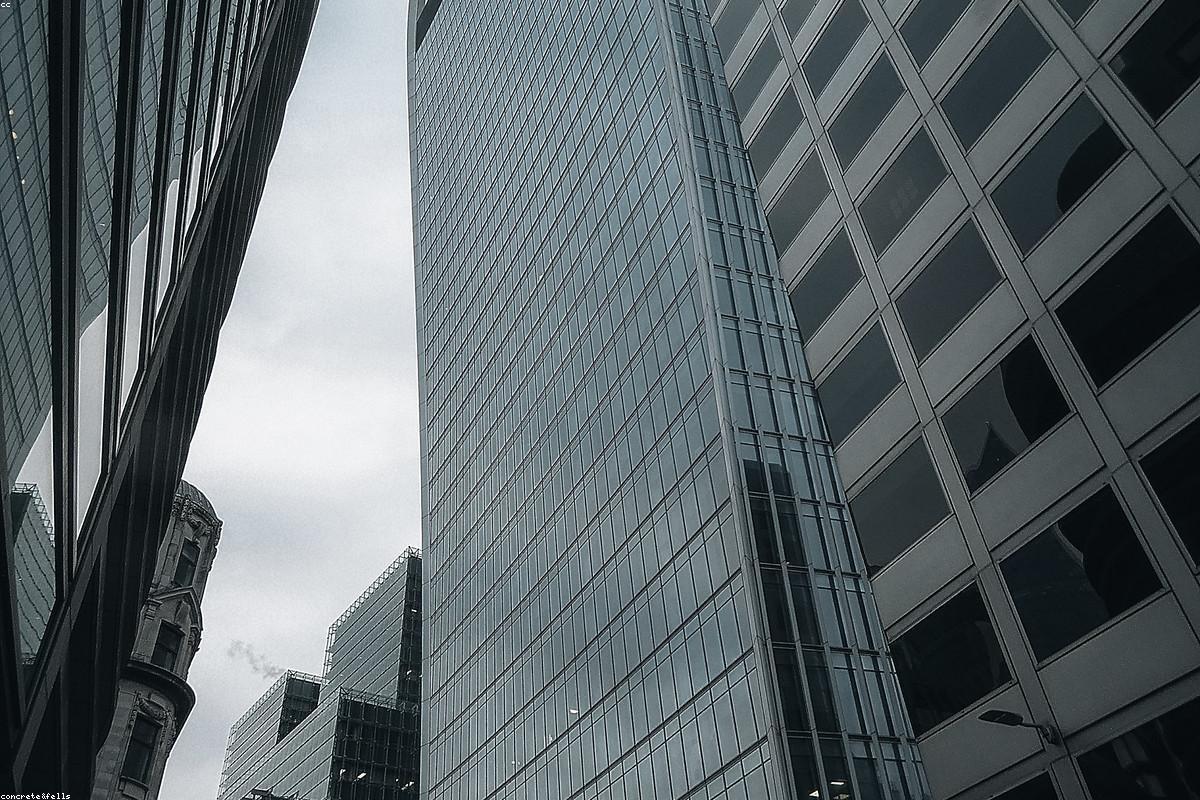
Editorial / technical guide
This page is educational content, not a documented customer project.
Preserving History: Retrofitting Historic Buildings with Film
Technical Abstract
Clear, high-performance window films provide a non-invasive solution for upgrading historic structures by delivering modern energy efficiency—reducing solar heat gain and improving thermal insulation—..
- Clear high-performance window films provide a non-invasive solution for improving energy efficiency in historic buildings without altering the original windows' appearance.
- These films work by rejecting solar heat, enhancing thermal insulation (low-E effect), and blocking up to the product-specific UV performance to protect interiors.
- Benefits include reduced HVAC costs, improved occupant comfort, preservation of artifacts, and compliance with historic preservation mandates due to reversible application.
- Successful implementation requires professional assessment, careful film specification (e.g., high visible light transmission), and proper installation by certified technicians.
Key Technical Chapters
Clear, high-performance window films provide a non-invasive solution for upgrading historic structures by delivering modern energy efficiency—reducing solar heat gain and improving thermal insulation—without any visual alteration to the original windows, making them ideal for compliance with preservation mandates.
Looking for commercial window tint installers?
The Core Challenge: Preserving Integrity While Demanding Performance
Facility managers and owners of historic properties face a unique dilemma: balancing preservation covenants that often prohibit window replacement with the urgent need to improve energy efficiency, occupant comfort, and operational costs. Original single-pane windows are typically the building's weakest thermal link, leading to significant energy loss, UV damage to interiors, and discomfort from solar heat gain.
How Clear High-Performance Films Work
These advanced films are ultra-thin, optically clear laminates applied directly to the interior surface of existing glass. They work by selectively filtering the sun's energy spectrum.
Key Performance Mechanisms
- Solar Heat Rejection: Metallic or ceramic sputtered coatings reflect and absorb a high percentage of infrared radiation, the primary source of solar heat.
- Low-E Enhancement: Films can emulate the performance of insulated glass units (IGUs) by improving the window's overall U-factor (thermal insulation), reducing heat loss in winter and heat gain in summer.
- UV Blocking: Nearly 99% of ultraviolet rays are blocked, preventing fading and degradation of historic interiors, artifacts, and furnishings.
Benefits for Historic Building Stewardship
| Challenge | Film Solution | Outcome |
|---|---|---|
| Energy Inefficiency | Improved U-factor & Solar Heat Gain Coefficient (SHGC) | Reduced HVAC load and utility costs (typically 10-30%) |
| Solar Glare & Discomfort | High visible light transmission (VLT) with glare reduction | Enhanced occupant comfort and usability without darkening |
| Interior Preservation | >the product-specific UV performance rejection | Protection of irreplaceable fabrics, wood, and artifacts |
| Preservation Compliance | Non-alterative, reversible application | Maintains historic tax credits and avoids approval hurdles |
| Condensation & Thermal Stress | More uniform glass surface temperature | Reduced condensation on glass, lowering mold risk and moisture damage |
Implementation Considerations for Historic Projects
Successful application requires careful planning to meet both performance and preservation goals.
- Professional Assessment: A qualified installers should evaluate glass condition, seals, and framing to ensure suitability.
- Film Specification: Select a film with high visible light transmission (often 60-70% VLT) to maintain the window's authentic appearance while maximizing performance metrics (U-factor, SHGC).
- Approval Process: Document the film's non-invasive, reversible nature. Performance data and samples can demonstrate "no visual change" to preservation boards.
- Installation: Performed by certified technicians, the process is quick, clean, and causes minimal disruption to building operations.
Find Commercial Window Tinting Near You
Browse installers by city — get matched with commercial window film specialists in your area.
Technical FAQ
How do clear high-performance window films improve energy efficiency in historic buildings?
They improve energy efficiency by reducing solar heat gain through infrared radiation reflection and absorption, enhancing the window's U-factor for better thermal insulation, and lowering the Solar Heat Gain Coefficient (SHGC), which can reduce HVAC loads and utility costs by 10-30%.
What are the key preservation benefits of using window films in historic structures?
Key preservation benefits include blocking over the product-specific UV performance to prevent fading and degradation of interiors and artifacts, maintaining the original window appearance with high visible light transmission, and offering a non-invasive, reversible application that complies with preservation mandates and avoids approval hurdles.
What should be considered when implementing window films in historic building projects?
Considerations include a professional assessment by a qualified installers to evaluate glass and framing suitability, selecting films with high visible light transmission (e.g., 60-70% VLT) to preserve authenticity, documenting the reversible nature for approval processes, and ensuring installation by certified technicians to minimize disruption.
Ready to optimize your facility?
Review available company information in the directory and prepare a project brief for suppliers.